*This blog may contain affiliated links and discount codes.*
Walking into a beauty store or scrolling through countless serums online can feel overwhelming. How do you actually know what your skin needs? The truth is, understanding your skin type is the foundation of building a routine that actually works. Skip this step and you could be wasting money on products that do nothing for your skin, or worse, causing breakouts and irritation.
After years of testing hundreds of products and helping my followers find their perfect matches, I am breaking down exactly how to identify your skin type and choose products that will transform your complexion.
Understanding The Four Main Skin Types
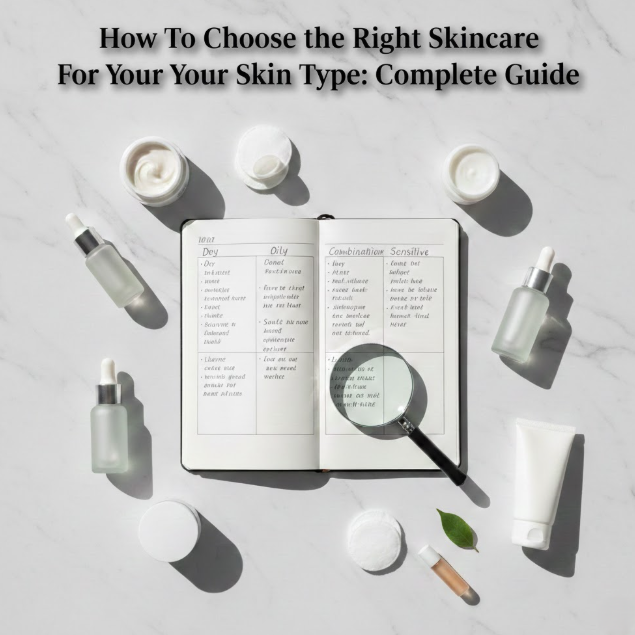
Most people fall into one of four categories: normal, dry, oily, or combination. Sensitive skin is also a common descriptor, though it can overlap with any of the other types.
Normal skin is balanced, not too dry and not too oily. Your pores are small, your skin texture is even, and you rarely experience breakouts or tightness. If you have normal skin, count yourself lucky. You can use most products without worrying about reactions.
Dry skin feels tight, especially after cleansing. You might notice flaking, rough patches, or fine lines that appear more prominent. Your skin can feel uncomfortable, especially in winter or after using harsh products. The key with dry skin is finding hydrating formulas that do not strip your natural oils.
Oily skin produces excess sebum, especially in the T-zone. Your pores appear larger, you deal with breakouts and shine throughout the day, yet strangely, you might still experience dehydration. The challenge with oily skin is finding products that control oil without over drying and triggering more production.
Combination skin is exactly what it sounds like: oily in some areas, dry in others. Usually the T-zone is oily while cheeks are normal or dry. This requires a balanced approach, possibly using different products on different areas.
How To Test Your Skin Type At Home
You do not need a dermatologist to figure out your skin type. Try this simple test: cleanse your face thoroughly, wait an hour, then look in the mirror without any products.
If your skin feels tight and looks flaky or dull, you likely have dry skin. If you see obvious shine and large pores, that is oily skin. If you see both oily and dry areas, combination is your type. If your skin looks and feels balanced, you have normal skin.
Another method is the blottiness test. Press a blotting paper or clean tissue on different areas of your face. If it picks up lots of oil from your forehead and nose but little from your cheeks, you are combination. If every area shows oil, you are oily. Little to no oil indicates dry.
Choosing Products For Your Skin Type
For dry skin, look for creamy, hydrating cleansers that do not foam. The Beauty of Joseon Radiance Cleansing Balm is brilliant because it melts away makeup and impurities while actually adding moisture to your skin.
For serums, prioritise hyaluronic acid and ceramides. The Beauty of Joseon Glow Serum delivers hydration while brightening your complexion.
For oily skin, gel based cleansers work best as they remove excess oil without stripping. Look for lightweight, non-comedogenic moisturisers. Even oily skin needs hydration, so never skip this step.
For combination skin, balance is key. Use gentle products that do not aggravate either extreme. You might find using different products on different areas works best.
The Skin Type Mistakes To Avoid
One huge mistake is using products meant for the opposite skin type. If you have dry skin, foaming cleansers will strip away what little oil you have, causing more problems. Oily skin types often make the mistake of using harsh drying products, which triggers more oil production as your skin tries to compensate.
Another error is not adjusting your routine seasonally. Your skin type can actually shift throughout the year. Winter might turn oily skin into combination or dry, while summer often increases oil production across all types.
Finally, do not forget that your skin type can change with age, hormones, and lifestyle. What worked at twenty might not work at forty.
Finding your perfect skincare match takes trial and error, but understanding your skin type is the crucial first step. You can shop my recommended products at verified promo code for great savings, explore exclusive Sephora deals, and treat yourself to luxury skincare for those special occasions.
Thank you so much for reading! I hope this guide helps you finally understand your skin and find products that truly work.
Kisses Nicola xxx
Now I would love to hear from you! What has been your biggest challenge in finding the right skincare for your skin type? Drop your questions in the comments and do not forget to share this post with your beauty loving friends. You can also follow my skincare adventures on Instagram for daily tips and product reveals.
By

If you have found yourself peeking at my page, then like me, you must love all things beauty right? Some people like cars, shoes or diamonds, well me, I love beauty products of every kind! Here I shall share it all with you beauts!