*this blog contains affiliated links and discount codes*
this blog contains affiliate links and discount codes
The Ingredient That Changed How I Age
I started using retinol at 28. I had no major skin concerns, just some fine lines starting around my eyes and a bit of uneven texture. A friend swore by it, so I bought a basic retinol serum from Boots.
The first two weeks were rough. My skin peeled, turned red, and felt tight. I almost gave up. But I stuck with it, and by week six, my skin looked... different. Smoother. Brighter. More even. The fine lines around my eyes were softer.
That was five years ago. Retinoids are now the one non-negotiable in my routine. If I could only use one active ingredient for the rest of my life, this would be it.
What Are Retinoids?
Retinoids are derivatives of vitamin A. They work by speeding up cell turnover and stimulating collagen production. This makes them effective for anti-aging, acne, hyperpigmentation, and overall skin texture.
There are different types, ranging from over-the-counter options to prescription-strength treatments. Retinol is the common over-the-counter version and needs to be converted by your skin into retinoic acid. Retinaldehyde is stronger, one step closer to retinoic acid. Adapalene is prescription strength in the UK and works brilliantly for acne. Tretinoin is prescription only and is the gold standard, pure retinoic acid.
I started with retinol and now use prescription tretinoin 0.05%.
What Retinoids Do For Your Skin
The thing about retinoids is they work on several skin concerns at once. That is what makes them worth pushing through the ugly adjustment period. They boost collagen, speed up cell turnover, and unclog pores. In practice that covers fine lines, acne, hyperpigmentation, texture, and pore size all in one product.
For fine lines and wrinkles, retinoids boost collagen production which keeps your skin firm and plump. I noticed the lines around my eyes and forehead becoming less pronounced after about three months of consistent use. Nothing dramatic, but definitely softer in the right light.
For skin tone, the accelerated cell turnover fades hyperpigmentation, sun damage, and post-acne marks while preventing new dark spots from forming. I had stubborn melasma on my upper lip. Tretinoin faded it significantly over six months. For more on fading dark spots, see my niacinamide guide.
For texture, retinoids smooth rough, bumpy skin by exfoliating dead cells and promoting new healthy growth. I used to run my fingers across my forehead and feel little bumps, not visible spots, just texture. Now it is actually smooth. First time in my adult life I have felt comfortable without foundation on.
For acne, retinoids unclog pores and reduce inflammation, which makes them highly effective for breakouts. Prescription adapalene and tretinoin are specifically what dermatologists prescribe for stubborn adult hormonal breakouts.
For pores, keeping them clear and accelerating cell turnover makes them appear smaller over time. I was most sceptical about this one but I have genuinely noticed a difference.
How To Use Retinoids Without Wrecking Your Skin
Retinoids are powerful. Use them wrong and you will spend weeks looking like you have a sunburn.
The biggest mistake I made early on was slapping it on straight after cleansing. I wondered why I peeled so badly, used more to try to compensate, and made everything worse. The wait time matters more than anyone tells you.
Begin with once or twice a week in the evening. Your skin needs time to adjust. Increase frequency gradually over eight to twelve weeks. I started with twice a week and now use tretinoin every night.
Always apply at night. Retinoids break down in sunlight and increase sun sensitivity, which defeats the purpose when you are trying to fade sun damage.
My evening routine took a while to get right. This is what works for me now. I cleanse first, then wait ten to fifteen minutes for my skin to dry completely. I apply a pea size amount of retinoid, then wait another ten minutes before applying a rich moisturiser. The wait between cleansing and applying, and between applying retinoid and moisturiser, makes a significant difference to how much peeling you get. My favourite gentle cleanser and my go-to rich moisturiser are both linked.
If your skin is sensitive, rosacea, or you are worried about irritation, the sandwich method is worth trying. Apply moisturiser first, then your retinoid, then another layer of moisturiser on top. It sounds excessive but it genuinely reduces the irritation without stopping the retinoid from working. I used this for the first few months on tretinoin and it made the adjustment period bearable.
What Strength Do You Actually Need?
For over-the-counter retinol, 0.25% is gentle and fine for beginners. 0.5% is moderate. 1% is strong and best only once your skin has already adjusted to lower strengths.
For prescription tretinoin, 0.025% is the starting strength. 0.05% is the most common and effective for most people. 0.1% is the strongest and usually reserved for severe acne.
I use tretinoin 0.05%, which hits the sweet spot between effective and tolerable.
What Can You Layer With Retinoids?
Retinoids play well with most ingredients if you time things right. Niacinamide is genuinely brilliant with retinoids and can actually help reduce the irritation. Hyaluronic acid is always welcome for hydration. The only rule with vitamin C is to use it in the morning and keep your retinoid for the evening. AHAs and BHAs need to be on alternate nights because using them together over-exfoliates. And do not layer benzoyl peroxide with retinoids. They deactivate each other and neither will work properly.
My Favourite Retinoid Products
Here are the ones I have used and can genuinely recommend.
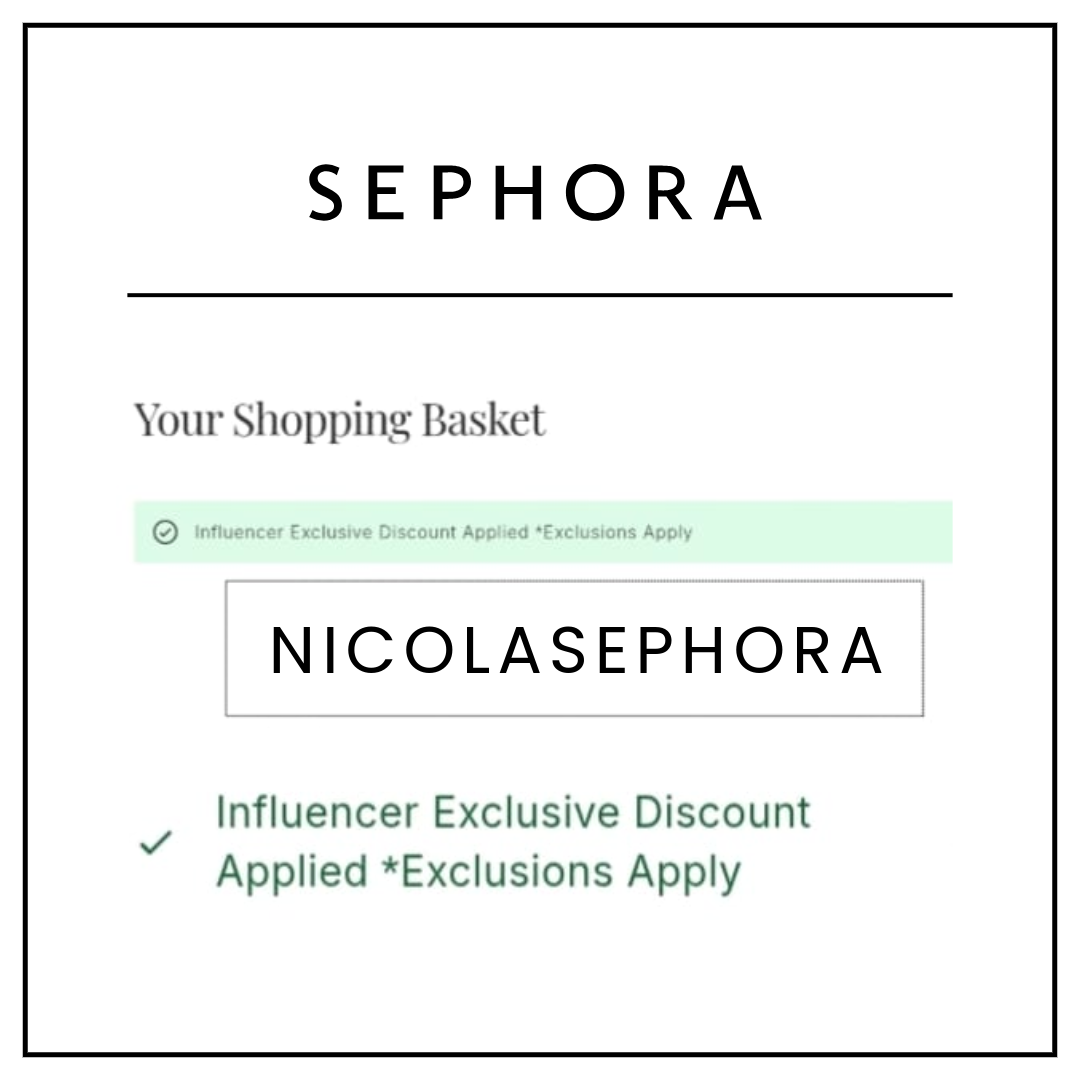
On a budget, The Ordinary Retinol 0.5% in Squalane is where most people start. Around six pounds, gentle, and does the job. Save 20% at Lookfantastic with code LFTFNICOLAL. CeraVe Resurfacing Retinol Serum is around fourteen pounds and contains encapsulated retinol plus ceramides, which makes it much gentler on sensitive skin. Get 15% off at Sephora UK.
In the mid-range, Paula's Choice 1% Retinol Treatment is around fifty two pounds. Silky formula, minimal irritation, and I have used this repeatedly. La Roche-Posay Retinol B3 Serum is around thirty eight pounds and combines retinol with niacinamide, which makes the whole experience much more comfortable.
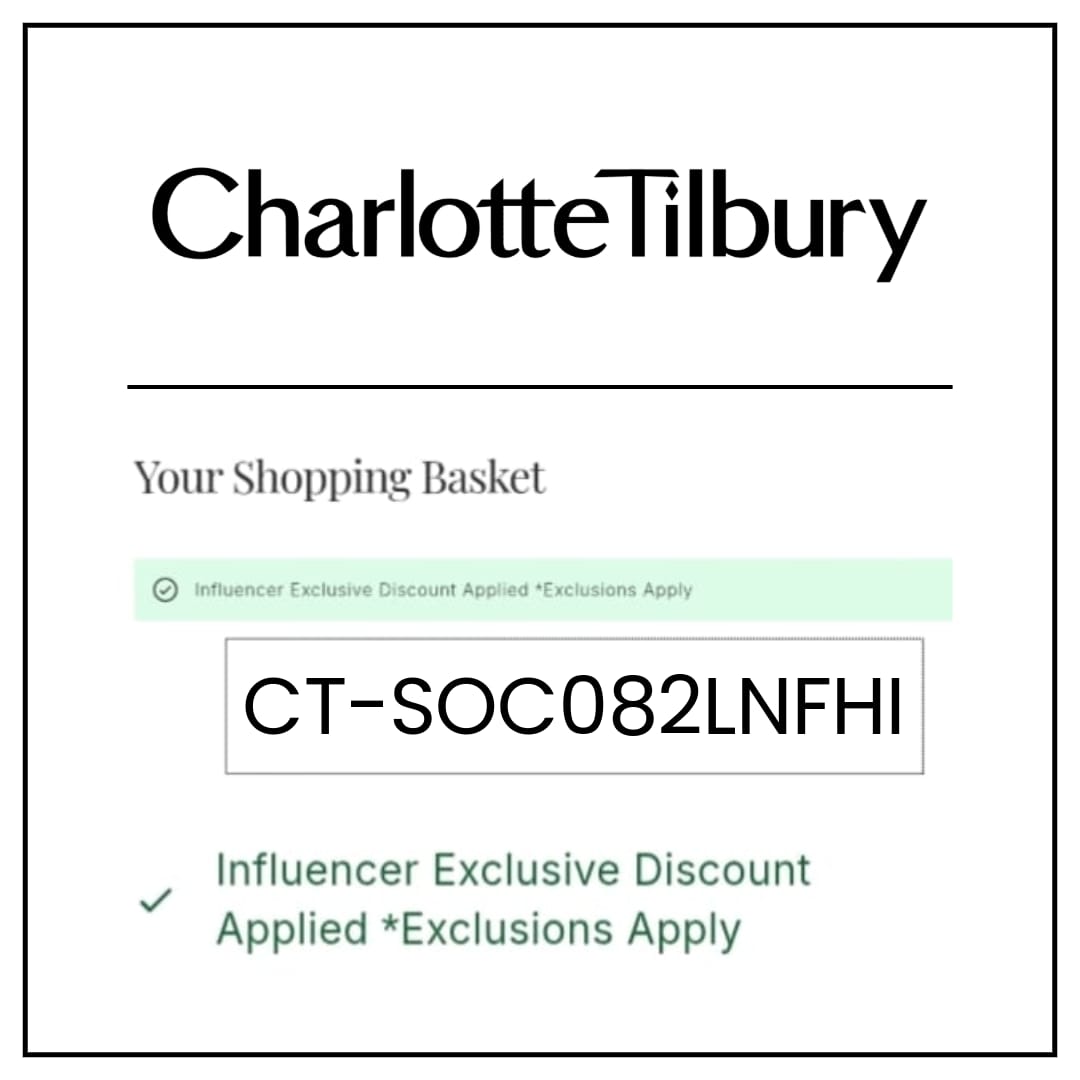
For luxury, SkinCeuticals Retinol 1.0 is around seventy two pounds and is one of the most effective clinical-grade retinols you can buy. Explore La Roche-Posay retinol serums at Sephora UK with 15% off. Or for something more luxurious, indulge in premium skincare at Charlotte Tilbury.
Prescription tretinoin 0.05% is what I use now. Available from UK pharmacies with a prescription, typically around eight to fifteen pounds.
Who Should Use Retinoids?
Honestly, most people would benefit from one. If ageing, acne, or uneven skin is on your radar, retinoids are probably the one active worth adding to your routine.
The only people who should avoid them are anyone pregnant or breastfeeding. They are not considered safe during pregnancy, full stop. If you have very sensitive skin or rosacea, start with the lowest over-the-counter strength and build up slowly. The sandwich method helps enormously.
Two Things I Wish Someone Had Told Me
The first is SPF. Retinoids make your skin significantly more sensitive to the sun. I learned this the hard way after getting more sun spots in a week at the beach than I had in the previous year. My sunscreen guide has full recommendations and SPF is genuinely not optional when you are using retinoids.
The second is that you need embarrassingly little product. I used to apply retinoid like I was slathering on a moisturiser. A pea size amount covers your entire face. More does not mean faster results. It means more peeling, more redness, and more regret.
For building a full routine around retinoids, check my complete routine guide and my layering guide.
Common Questions About Retinoids
Does retinol cause purging?
Yes. When you first start, retinoids bring congestion to the surface before clearing it, which means more breakouts for the first four to six weeks. If it continues beyond that, it is likely irritation rather than purging and you should drop the strength or frequency.
Can you use it around your eyes?
Yes, but be cautious. Use a tiny amount and avoid getting it directly in your eyes. The skin around your eyes is thinner and will absorb more, which can cause irritation.
Is it safe during pregnancy?
No. Retinoids are not recommended during pregnancy or breastfeeding. Speak to your GP or midwife about alternatives if you are pregnant and want to address ageing or acne concerns.
How long until you see results?
For acne, give it six to eight weeks. For anti-aging benefits, twelve weeks minimum. Full results on fine lines and hyperpigmentation can take six to twelve months. There are no shortcuts here.
Five Years In
Five years ago I bought a basic retinol from Boots because a friend told me to. I had no idea it would become the one product I would never give up.
The adjustment period is real and it is uncomfortable. But it ends. And the results are worth it. Smoother skin, faded marks, softer lines, fewer breakouts. Nothing else I have tried delivers across all of those at once.
If you are on the fence, my advice is to start low, go slow, use SPF, and give it twelve weeks before you decide whether it is working for you.
Kisses Nicola xxx
By

If you have found yourself peeking at my page, then like me, you must love all things beauty right? Some people like cars, shoes or diamonds, well me, I love beauty products of every kind! Here I shall share it all with you beauts!