TLDR: The Collagen Banking Architect™
*this blog contains affiliated links and discount codes
Collagen Banking Architect™ & Glycation Calculator
Lovelies, we don't wait for wrinkles to appear; we "bank" collagen while we have it. However, invisible enemies like Glycation (sugar induced damage) and Cortisol (stress) are constantly withdrawing from your account.
This advanced calculator uses a weighted algorithm to assess your Collagen Reserve Score. It visualizes your current structural integrity and provides a segmented protocol to stop the "leak" and rebuild density.
The Science of "Banking" vs. "Fixing"
The concept of Collagen Banking is based on the biological fact that we lose 1% of our collagen every year after age 25. By the time we see visible sagging, we may have already lost 30% of our structural reserves.
1. The Glycation Factor (Sugar Sag)
The calculator specifically assesses your "Glycation Risk." When excess sugar molecules in your bloodstream attach to collagen fibers, they form Advanced Glycation End-products (AGEs). This process turns your collagen from "stretchy elastic" to "brittle glass," leading to cross hatching wrinkles and loss of bounce. If you scored poorly on diet, prioritizing Carnosine and reducing roasted/fried foods is more important than any cream you can buy.
2. Fibroblast Stimulation
Your fibroblasts are the factories that produce collagen. As we age, they go "dormant." The topical protocol recommended by the tool (specifically Retinaldehyde and Copper Peptides) is designed not just to hydrate, but to "wake up" these factories. This is why we prioritise these ingredients over simple Hyaluronic Acid, which only hydrates the surface. To find the best clinical grade Retinal formulas, browse the Sephora UK site for skincare deals.
3. The Cortisol Connection
We included a "Stress" metric because high cortisol levels degrade collagen almost as fast as UV rays. If your result highlighted stress, your "Anti-Ageing Routine" must include sleep hygiene and adaptogens. No serum can out perform a body flooded with stress hormones.
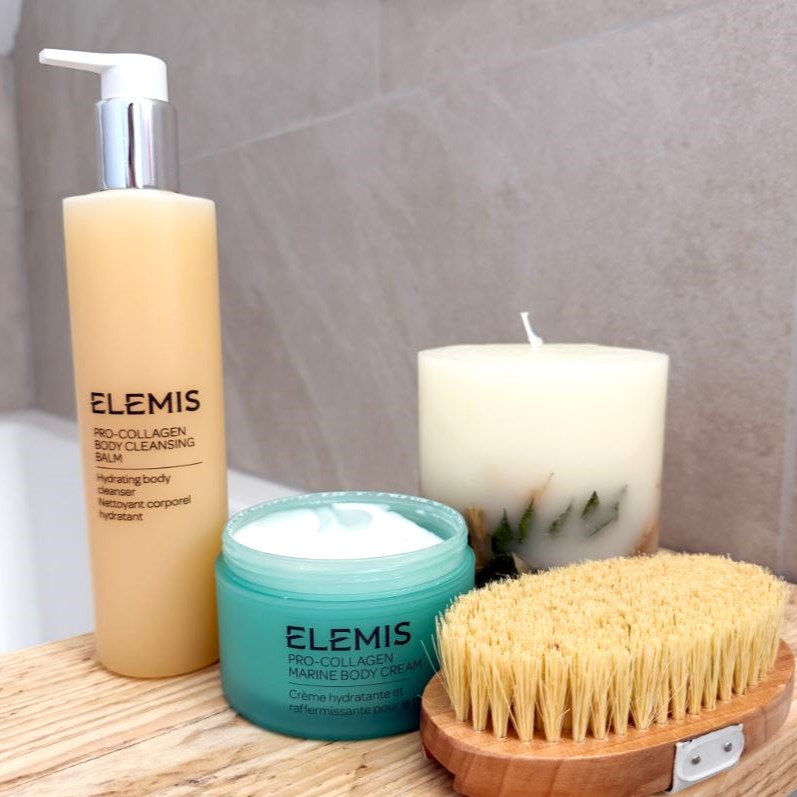
I realised my collagen was degrading not by looking at wrinkles, but by looking at my pillow marks. In my 20s, sheet marks vanished in 5 minutes. In my 30s, they stayed for an hour. This is a sign of lost elasticity. I immediately added a Copper Peptide serum to my routine and started taking 10g of Hydrolyzed Collagen daily. Within 3 months, the 'bounce back' time was cut in half. For those wanting a luxury boost, the Elemis Pro-Collagen range is my go to for supporting that "bounce back" time.
---
FAQs: Collagen Banking
Is it too late to start banking collagen at 50? It is never too late, but the strategy changes. At 50, you aren't just "banking"; you are "restoring." You need more aggressive signaling ingredients (like Retinal or prescription Tretinoin) and potentially clinical treatments (Microneedling) to trigger a wound healing response that generates fresh collagen. You can find high potency treatments by looking through my Look Fantastic offers to find dermatologist led brands.
Do collagen supplements actually work? The science has solidified: Yes, but dose matters. You need 10g of Hydrolyzed Collagen Peptides daily. The body doesn't send these peptides straight to the face, but they act as a signal that tells the body "collagen is being destroyed," which tricks the body into producing more of its own.
What are AGEs? AGEs (Advanced Glycation End-products) are the result of sugar binding to protein. They make collagen stiff and yellow. You can reduce AGEs by cooking with water (steaming/boiling) rather than dry heat (roasting/frying).
Why Copper Peptides? Copper Peptides (GHK-Cu) are unique because they also act as anti-inflammatories and help remove "damaged" collagen to make room for new, healthy fibers. This makes them essential for anyone with a "Low Reserve" score.
---
Important Safety Note
The Collagen Banking Architect™ is an educational guide intended for cosmetic purposes only and does not constitute medical advice or a formal diagnosis. While I recommend targeted ingredients such as Retinaldehyde and Copper Peptides, individual results may vary; always perform a 24-hour patch test before introducing new active ingredients and consult a GP or dermatologist for persistent skin health concerns.
---
What were your results? Share with me on Insta, I’m looking forward to seeing them x
Kisses, Nicola xxx
By

If you have found yourself peeking at my page, then like me, you must love all things beauty right? Some people like cars, shoes or diamonds, well me, I love beauty products of every kind! Here I shall share it all with you beauts!


August 10, 2026