TLDR:
*this blog contains affiliated links and discount codes
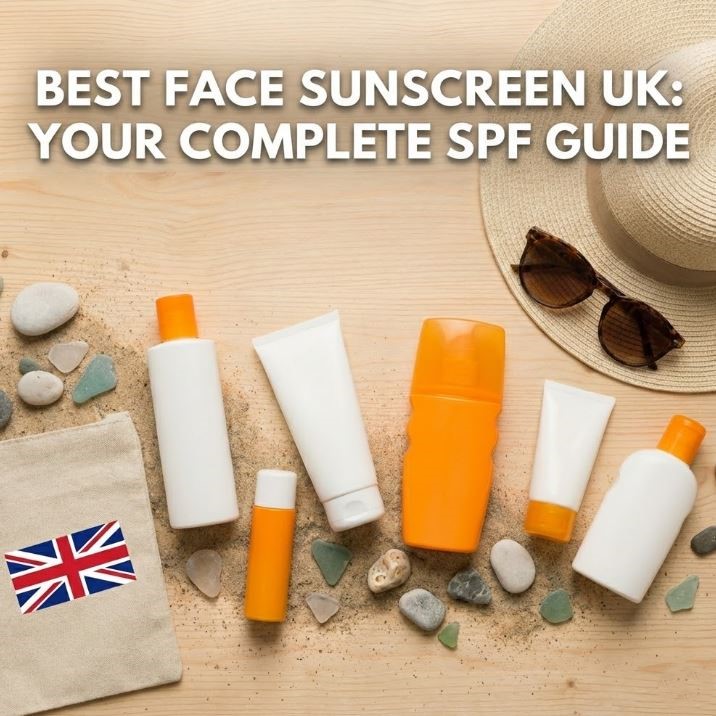
Best Face Sunscreen UK: Your Complete SPF Guide
Finding the right facial SPF can feel like searching for a needle in a haystack. Too greasy? White cast? Pills under makeup? Breaks you out? I've been there, testing dozens of sunscreens over the past two years to find formulas that actually work for real life in the UK.
I've spent hundreds of pounds and countless hours testing face sunscreens across every texture, price point, and skin type. Some left me looking like a ghost. Others turned me into an oil slick by lunchtime. But I've found the ones that genuinely work, and I'm here to help you skip the expensive trial and error.
Whether you need SPF that sits beautifully under makeup, controls oil all day, or provides a gorgeous glow whilst protecting your skin, there's a sunscreen on this list with your name on it.
.png)
---
Not sure which facial SPF is actually going to work for your skin and lifestyle?
I’ve made this quick matcher to take the guesswork out. Answer 4 simple questions about your main concern, skin type, white cast worries and budget vibe, and it’ll point you straight to the best match from the guide (with why it suits you).
Takes less than 30 seconds. Let’s find your perfect daily SPF!
---
Why Face Sunscreen Matters More Than You Think
Here's something most people don't realise: UV damage is happening every single day, even when it's cloudy, even in winter, even when you're just popping to the shops. UVA rays (the ageing ones) penetrate through clouds and windows. They're breaking down your collagen and elastin right now if you're not wearing SPF.
I learned this the hard way after noticing increased pigmentation on one side of my face. Turns out, driving to work every morning without SPF was doing serious damage. That was my wakeup call to make daily facial sunscreen absolutely essential.
The difference between face sunscreen and body sunscreen is crucial. Facial skin is more delicate, more prone to breakouts, and needs to work with your makeup. You need formulas specifically designed for your face, not thick body lotions that'll clog your pores and ruin your foundation.

---
My SPF Testing Method
I don't just try a sunscreen once and call it a review. Each product gets a minimum two week trial under different conditions: alone, under makeup, during workouts, in different weather. I test for white cast, greasiness, pilling, how it wears throughout the day, and whether it causes breakouts or irritation.
I also consider reapplication practicality. A sunscreen that looks beautiful at 8am but turns you into a grease ball by noon isn't doing its job. The best facial SPF is one you'll actually use every single day, all year round.
My skin is combination (oily T zone, normal cheeks), so I'm particularly sensitive to heavy, greasy formulas. But I've tested products on friends and family with different skin types to ensure my recommendations work across the board.
---
Best SPF for Oily Skin
Oily skin needs lightweight, mattifying formulas that won't add to the shine situation. The wrong sunscreen can make you look like you've dunked your face in oil by midday.
La Roche-Posay Anthelios Oil Control Fluid SPF50 is hands down the best SPF I've found for oily skin. The ultra-light fluid texture absorbs instantly, leaves a completely matte finish, and genuinely controls oil all day. I've tested this through sweaty commutes, humid weather, and long work days, and it never gets greasy. The texture is almost like a primer, and it sits beautifully under makeup without any pilling.
What makes this formula special is the Airlicium technology that actually absorbs sebum. It's not just mattifying on application, it stays matte. For oily skin struggling with SPF, this is the one that'll change your mind about sunscreen.
---
Best SPF for Glowing, Dewy Skin
If you want that lit from within glow whilst protecting your skin, you need SPF with luminosity built in.
Supergoop Glowscreen SPF30 is makeup and skincare in one gorgeous bottle. This gives you SPF protection plus the most beautiful, natural-looking glow. It's not glittery or shimmery, just radiant. I wear this on days when I want to look polished but can't be bothered with a full makeup routine.
The peachy pink tint works on most skin tones and gives you that "your skin but better" effect. It's become my weekend staple when I want to look put together with minimal effort. The glow is subtle and sophisticated, not disco ball.
For a more affordable glowing option, NYX Buttermelt Glaze Skin Tint SPF30 delivers similar dewiness at a fraction of the price. The texture is incredibly lightweight and the finish is gorgeously glossy without being greasy. This is brilliant if you're new to the glowy skin trend and want to test the waters without spending a fortune.
---
Best SPF Under Makeup
The hardest job for any facial sunscreen is sitting perfectly under foundation without pilling, patchiness, or greasiness.
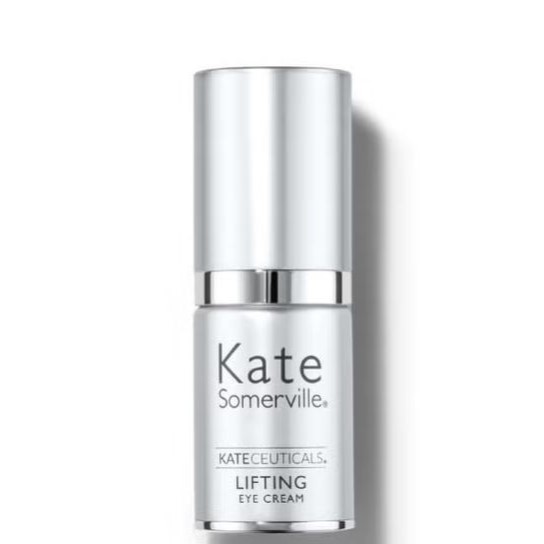
Kate Somerville HydraKate SPF50 Drops are genuinely game-changing for wearing under makeup. These drops have an almost serum-like texture that sinks into skin instantly. There's zero white cast, no greasiness, and they create the most beautiful smooth canvas for foundation. I've mixed them with my foundation before and the result is glowing, protected skin with flawless makeup.
The illuminating finish means your makeup sits on radiant, healthy looking skin rather than a flat, matte base. This is particularly brilliant in winter when skin can look dull and tired.
NARS Pure Radiant Tinted Moisturiser SPF30 is perfect if you want SPF and light coverage in one step. This is my lazy morning lifesaver. It evens out my skin tone, provides sun protection, and gives a gorgeous natural finish that looks like healthy skin, not makeup. On days when I'm running late or just want something quick and easy, this is what I reach for.
The coverage is sheer to light, so you still look like yourself but better. It's brilliant for no makeup makeup days or as a base under concealer.
---
Best Luxury SPF Experience
Sometimes you want your skincare to feel special, and these SPFs deliver luxury alongside serious sun protection.
Lancôme Rénergie H.P.N. UVMune SPF50 Cream is sunscreen that feels like a luxurious anti-ageing treatment. The UVMune 400 technology provides the highest level of UVA protection I've found in a face sunscreen. The cream texture is rich but not heavy, it absorbs beautifully, and it genuinely makes my skin look and feel better with continued use.
This is investment skincare that happens to be SPF50. If you're in your 30s, 40s, or beyond and want anti ageing benefits alongside sun protection, this delivers on both fronts. The texture is sophisticated, the protection is exceptional, and it sits beautifully under makeup.
Shiseido Vital Perfection Day Cream SPF30 combines SPF protection with serious anti ageing technology. This is Japanese skincare at its finest. The texture is silky and luxurious, it provides both UV protection and visible improvements in skin firmness and radiance. I use this when I want my morning routine to feel like a spa treatment.
---
Best SPF for Sensitive Skin
Sensitive skin needs gentle formulas that protect without irritation, fragrance, or harsh chemical filters.
Murad City Skin SPF50 is specifically formulated for sensitive, reactive skin living in urban environments. The mineral-based formula provides broad-spectrum protection without chemical filters that can irritate. It also includes pollution protection, which is crucial if you live or work in London.
I tested this during a period when my skin was particularly reactive and irritated. It caused zero stinging, no redness, and actually helped calm my skin down whilst protecting it. The tint is subtle and helps even out redness naturally.
---
Best Travel and Reapplication SPF
We all know we should reapply SPF throughout the day, but who actually does? These make it genuinely easy.
Ultrasun SPF50 UV Face & Scalp Mist is the only SPF mist I've found that actually works over makeup. Most SPF sprays are useless marketing gimmicks, but this one genuinely protects. The ultra-fine mist doesn't disturb your makeup, dries instantly, and you can reapply throughout the day without looking like you've sprayed yourself with oil.
I keep this in my bag for reapplication on sunny days, and it's brilliant for protecting your hairline and scalp, which are often forgotten but equally vulnerable to sun damage. The mist is so fine it feels like nothing, which makes reapplication actually doable.
---
Understanding SPF Numbers and What They Mean
There's a lot of confusion about SPF ratings. SPF30 blocks approximately 97% of UVB rays, whilst SPF50 blocks about 98%. The difference seems small, but that extra 1% matters for prolonged exposure and sensitive skin.
More importantly, most people don't apply enough sunscreen to get the stated SPF protection. You need about a quarter teaspoon for your face, which is more than you think. I've started being much more generous with application, and whilst it feels like a lot initially, it absorbs and you're getting the protection you're paying for.
The difference between UVA and UVB protection matters too. UVB causes burning (that's what SPF measures), whilst UVA causes ageing, pigmentation, and contributes to skin cancer risk. Look for broad spectrum protection or the UVA star rating system. All the sunscreens I've recommended provide excellent UVA protection, not just high SPF numbers.
---
Chemical vs Mineral Sunscreen: What You Need to Know
Chemical sunscreens (also called organic filters) absorb UV rays and convert them to heat. They're typically lighter, more elegant, and easier to wear under makeup. Most modern facial sunscreens use chemical filters because they don't leave a white cast and feel much more cosmetically acceptable.
Mineral sunscreens (also called physical filters, using zinc oxide or titanium dioxide) sit on top of skin and physically block UV rays. They tend to be thicker, can leave a white cast, but are generally better for very sensitive skin or if you're concerned about chemical filter absorption.
Personally, I prefer chemical sunscreens for daily wear because the textures are so much more wearable. The technology has advanced significantly, and modern chemical filters are well studied and safe. But if your skin is extremely reactive, a mineral option like the Murad formula might be better for you.
---
How to Layer SPF in Your Skincare Routine
SPF should be the final step in your morning skincare routine, before makeup. Here's the order that actually works:
Cleanser → Toner (if using) → Serum → Eye cream → Moisturiser → SPF → Makeup
Wait about 60 seconds between each layer to let products absorb properly. If you're using a treatment like vitamin C or retinol in the morning, those go in the serum step before moisturiser and SPF.
Some people ask if they can skip moisturiser if their SPF is hydrating. It depends on your skin and the specific products. Something like the Lancôme or Shiseido formulas are rich enough to potentially replace your morning moisturiser. But if you're using a lightweight fluid like the La Roche-Posay, you'll probably want moisturiser underneath, especially if your skin is dry.
The most important thing is that you actually wear SPF every single day. If combining it with your moisturiser or using a tinted version makes you more likely to apply it consistently, do that. Consistent SPF30 beats occasional SPF50.
---
SPF Myths I'm Tired of Hearing
Let me clear up some persistent sunscreen myths that need to die:
"I don't need SPF on cloudy days." Wrong. Up to 80% of UV rays penetrate clouds. UVA rays are present year-round, even in winter, even through windows.
"My foundation has SPF15, so I'm protected." Not enough. You'd need to apply foundation thickly enough to get the stated protection, which would look ridiculous. Use proper SPF underneath.
"SPF prevents vitamin D production." Whilst technically true, most people get adequate vitamin D from incidental sun exposure (walking to the car, lunch breaks outside, etc.). The skin cancer and premature ageing risks of unprotected sun exposure far outweigh the vitamin D benefit of skipping SPF.
"Higher SPF means I can stay in the sun longer." No. SPF indicates the level of protection, not the duration. You still need to reapply every two hours during prolonged sun exposure, regardless of SPF number.
"Expensive sunscreen works better than affordable options." Not necessarily. Some of my favourite sunscreens are affordable (like the La Roche-Posay and NYX options). Price often reflects texture and experience rather than protection level. That said, luxury formulas can feel more pleasant to use, which might make you more consistent.
---
When to Reapply SPF
The standard advice is to reapply every two hours, but let's be realistic. If you're indoors all day with minimal sun exposure through windows, one morning application is probably adequate. But if you're spending extended time outdoors, driving, sitting by a window, or it's particularly sunny, reapplication matters.
The Ultrasun mist makes reapplication over makeup genuinely practical. Otherwise, consider a powder SPF for touch-ups, or simply reapply your regular sunscreen if you're not wearing makeup or are willing to redo it.
For everyday indoor life, I focus on generous morning application and consistent daily use rather than obsessing about reapplying every two hours. But on holiday, days out, or during summer when I'm outside more, I absolutely reapply.
---
SPF for Different Seasons
Your sunscreen needs might change with the seasons, and that's completely normal.
In winter, you might prefer richer, more hydrating formulas like the Shiseido or Lancôme options. These provide sun protection whilst also giving your skin the extra moisture it needs in cold weather. Don't be tempted to skip SPF just because it's cold, those UVA rays are still active.
In summer, lightweight fluids and mattifying formulas become essential. The La Roche-Posay Oil Control is perfect for hot, humid weather when the last thing you need is more moisture on your face. The Ultrasun mist is brilliant for summer reapplication.
Spring and autumn are good times to use the more versatile, medium weight options like the Kate Somerville drops or NARS tinted moisturiser.
---
Budget vs Luxury: Do Expensive Sunscreens Work Better?
I've tested sunscreens at every price point, and here's the truth: protection level doesn't correlate with price. An affordable SPF50 from La Roche-Posay protects just as well as a luxury SPF50 from Lancôme.
What you're paying for with luxury sunscreens is texture, experience, and additional skincare benefits. The Lancôme formula feels like a high end face cream that happens to be SPF50. The La Roche-Posay feels like serious sun protection. Both work, but the experience is different.
If budget is tight, prioritise protection over experience. The La Roche-Posay and NYX options deliver excellent sun protection at accessible prices. If you can invest more and want your SPF to feel like a luxurious skincare step, the Lancôme or Shiseido formulas are worth it.
The best sunscreen is the one you'll actually use every day. If a luxurious texture makes you excited to apply SPF, that's money well spent. If you just need effective, affordable protection, the pharmacy brands deliver.
---
My Daily SPF Routine
People often ask what I actually use day to day. Here's my honest answer: it depends on the day.
On busy work mornings when I'm wearing full makeup, I use the Kate Somerville drops under foundation. They create a perfect base and the illuminating finish means my makeup looks glowing and healthy.
On relaxed weekends when I want minimal makeup, I reach for either the Supergoop Glowscreen or the NARS tinted moisturiser. Both give me that "your skin but better" look with SPF protection.
On hot summer days or when my skin is feeling particularly oily, the La Roche-Posay Oil Control is my go-to. It keeps me matte and protected all day.
When I want my morning routine to feel special, I use the Lancôme or Shiseido formulas. They make SPF application feel like luxury skincare, not a chore.
I keep the Ultrasun mist in my bag for reapplication on sunny days or when I know I'll be outside for extended periods.
The key is having options that work for different situations. You don't need all of these, but having two or three favourites for different needs makes consistent SPF use much easier.
---
Common SPF Problems and Solutions
White cast: This is why I've focused on modern formulas that don't leave you looking ghostly. If you're experiencing white cast, try the NARS tinted moisturiser or Supergoop Glowscreen, both designed to work with your skin tone rather than against it.
Pilling under makeup: This usually happens when you're layering too many products or not letting your skincare absorb properly. Wait 60 seconds between each layer. The Kate Somerville drops are specifically designed to eliminate this problem.
Greasiness: Switch to the La Roche-Posay Oil Control fluid. It's the only truly mattifying facial SPF I've found that actually stays matte.
Eye stinging: Some chemical filters migrate into eyes and cause stinging throughout the day. If this happens, try a mineral formula like the Murad, or be very careful about application near the eye area.
Breakouts: This is usually about formula weight rather than SPF itself. Lightweight fluids like La Roche-Posay or gel cream textures are less likely to clog pores than thick creams.
---
The Bottom Line on Face Sunscreen
Daily facial SPF is the single most important thing you can do for your skin's long term health and appearance. More important than expensive serums, fancy treatments, or any other skincare step.
The right face sunscreen protects you from skin cancer, premature ageing, and pigmentation whilst feeling comfortable enough to wear every single day. The sunscreens I've recommended aren't just effective, they're genuinely pleasant to use. That's what makes the difference between buying SPF and actually wearing it.
Start with your skin type and main concern. Oily skin? Try the La Roche-Posay. Want glow? Go for Supergoop or NYX. Need it under makeup? Kate Somerville or NARS. Sensitive skin? Murad. Want luxury? Lancôme or Shiseido.
Your skin will thank you in five, ten, twenty years when you're not dealing with sun damage, pigmentation, or premature ageing that could have been prevented with daily SPF.
The best time to start wearing daily facial sunscreen was twenty years ago. The second best time is today.
---
Thanks for swinging by beauts!
Don't forget to use my exclusive discount codes to save on your favourites at Lookfantastic, Elemis and Sephora.
Kisses, Nicola xx
By

If you have found yourself peeking at my page, then like me, you must love all things beauty right? Some people like cars, shoes or diamonds, well me, I love beauty products of every kind! Here I shall share it all with you beauts!