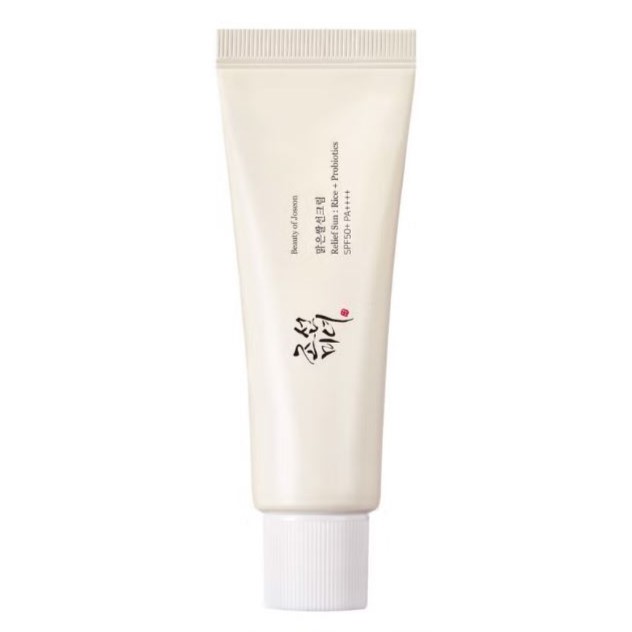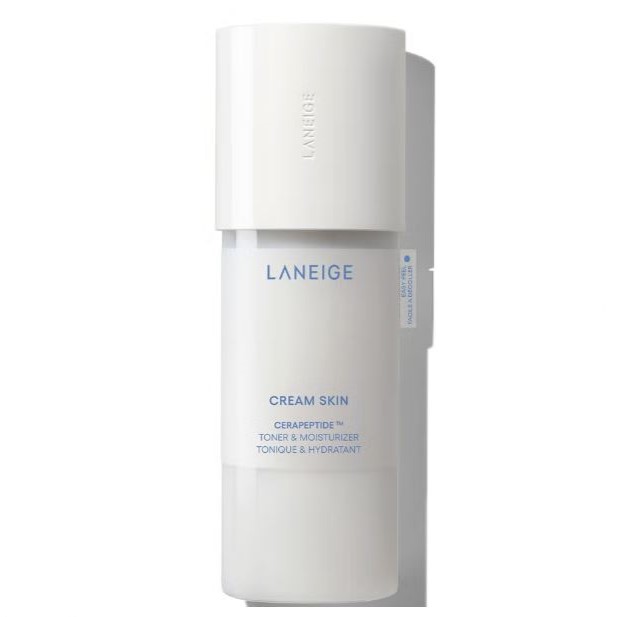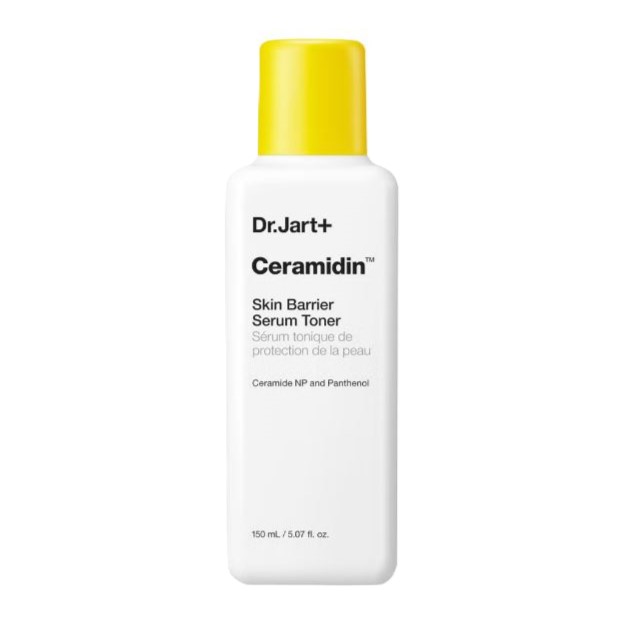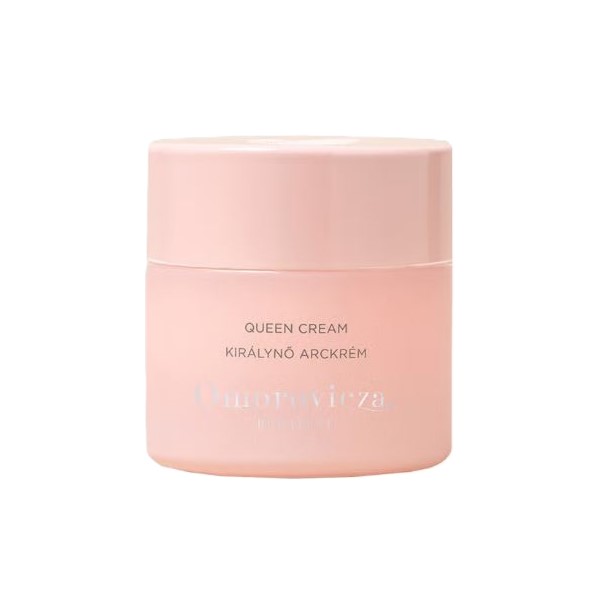
TLDR:
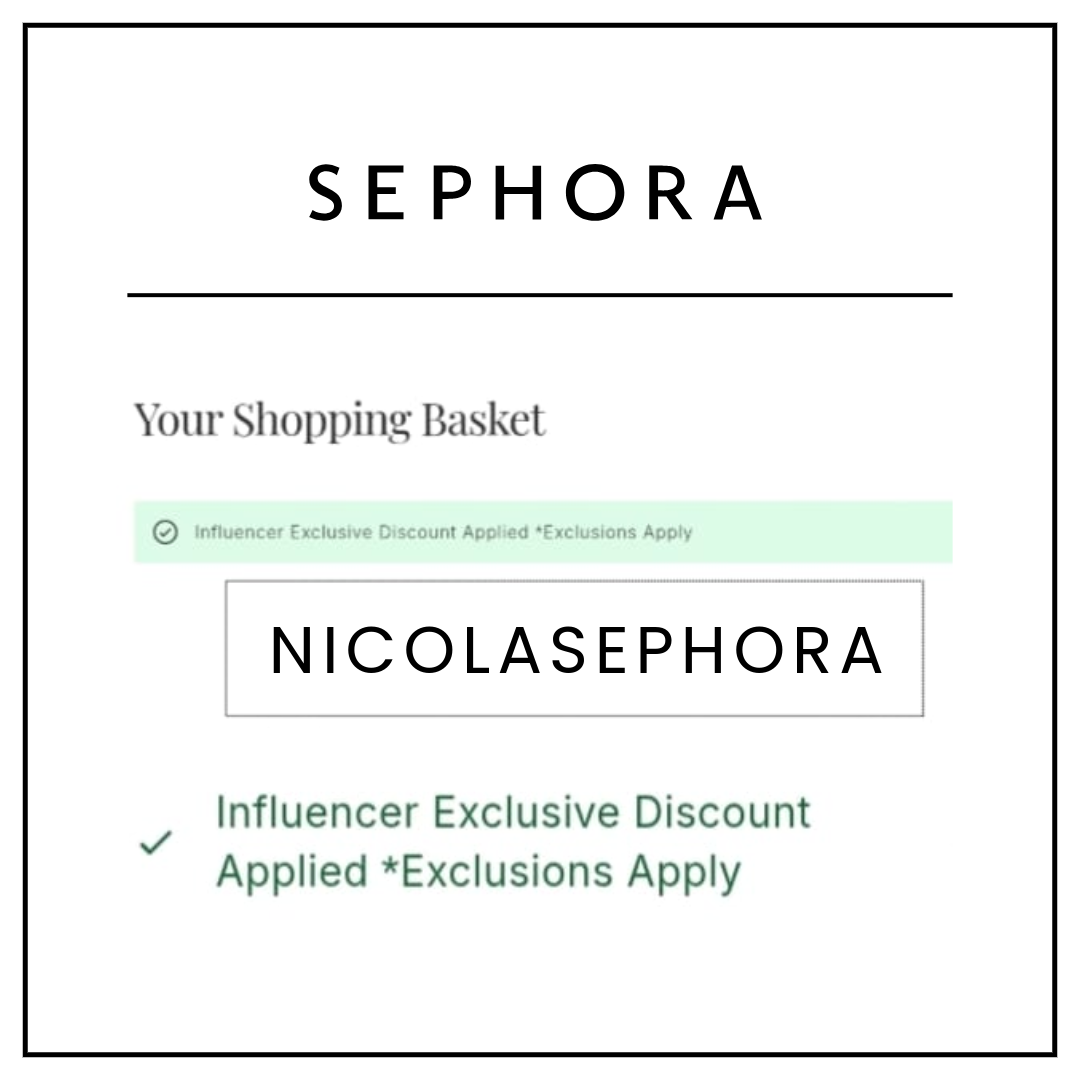
*this blog contains affiliated links and discount codes
Microbiome & pH Resilience Architect™
Skin health is defined by diversity, specifically, the diversity of the bacteria living on your face. We now know that conditions like acne, eczema, and rosacea are often symptoms of a "Microbiome Dysbiosis" or a disrupted Acid Mantle.
Use the Microbiome Architect to assess the state of your skin's ecosystem. By identifying if your environment is too alkaline or too sterile, you can reintroduce the correct prebiotics and postbiotics to restore self regulating skin.
---
Rewilding Your Skin
The "sterile" look is out. We are no longer trying to kill bacteria; we are trying to farm it. A healthy microbiome is your first line of defence against ageing, pollution, and breakouts.
1. The Acid Mantle Rule
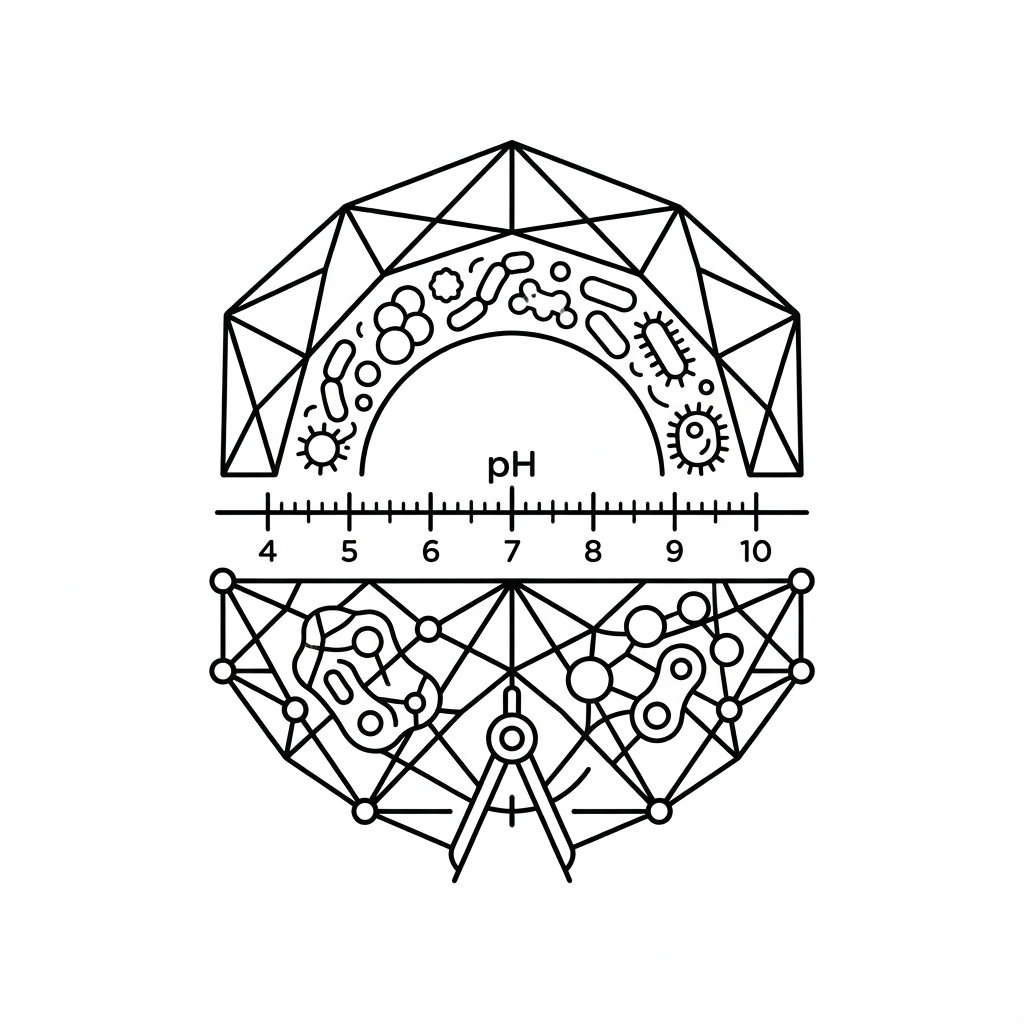
Your skin is naturally acidic (around pH 4.5 to 5.5). This acidity is what keeps pathogens out. Using soap or high pH cleansers strips this mantle, leaving your skin "alkaline" and vulnerable. The first step to fixing any skin issue is ensuring your cleanser has a low pH.
2. Prebiotics vs. Probiotics
3. The "Zero Downtime" Approach
If your barrier is compromised, you must adopt a "Zero Downtime" routine. This means removing all active acids (AHAs/BHAs) and Retinoids for 14 days. Instead, flood the skin with bio-identical lipids like Ceramides and Squalane to physically patch the holes in your barrier wall.
For years, I thought if my skin didn't feel 'tight' after washing, it wasn't clean. That tightness was actually my acid mantle screaming. Once I switched to a non-foaming milk cleanser that felt almost 'too gentle,' my chronic redness vanished in three weeks. It turns out I wasn't sensitive; I was just stripping my own defence system twice a day.
---
FAQs: Microbiome & Skin Health
How do I know if my moisture barrier is damaged? The classic signs are: products sting upon application, your skin feels tight even when oily, and you have clusters of tiny, non-acne bumps. This indicates your skin has lost its ability to hold water and defend against bacteria.
Can I use Vitamin C if my microbiome is damaged? It is best to wait. L-Ascorbic Acid (Vitamin C) is highly acidic and can irritate a broken barrier. Switch to a gentler derivative or focus purely on hydration until the stinging stops.
What causes the skin to become alkaline? Tap water (which is often pH 7+), traditional bar soaps, and harsh foaming agents (SLS) are the main culprits. Using a toner specifically designed to lower pH can help rebalance your skin after washing.
Are fermented ingredients good for fungal acne? This is the one exception. If you suffer from Malassezia (Fungal Acne), fermented ingredients can sometimes "feed" the yeast. In this specific case, stick to simple, sterile hydration until the infection clears.
---
Important Safety Note
The Microbiome & pH Resilience Architect™ is an educational guide intended for cosmetic purposes only and does not constitute medical advice or a formal diagnosis. While I recommend targeted ingredients found in general skincare, individual results may vary; always perform a 24-hour patch test and consult a dermatologist for persistent medical concerns.
---
Whether you're shopping the promotions at Sephora, browsing discounts at Lookfantastic, or hunting Elemis deals, always check your Microbiome & pH Resilience levels before introducing new active botanicals.
Thanks for reading!
Kisses, Nicola xxx
By

If you have found yourself peeking at my page, then like me, you must love all things beauty right? Some people like cars, shoes or diamonds, well me, I love beauty products of every kind! Here I shall share it all with you beauts!