TL;DR:
*this blog contains affiliated links and discount codes
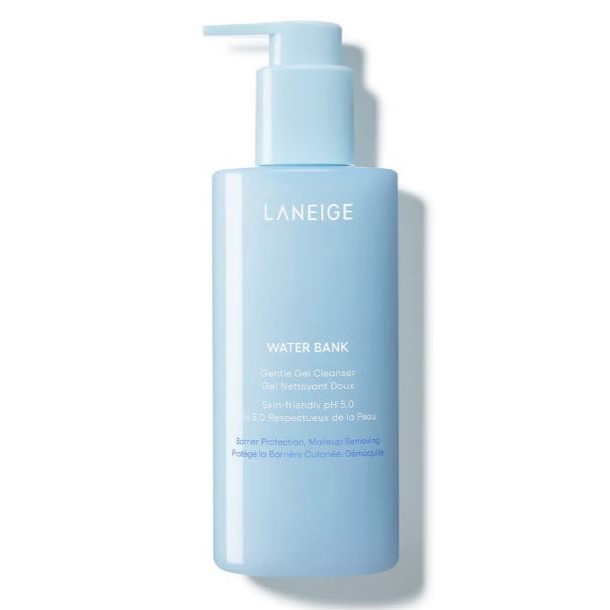
Laneige Water Bank Gentle Gel Cleanser Review
I have tried a lot of cleansers that promise hydration and still leave my skin feeling tight. Laneige Water Bank Gentle Gel Cleanser felt different from the first wash. My skin felt clean, comfortable and calm, with none of that stripped feeling I usually notice straight away. I have been using it morning and night for three weeks, and this is what I think after using it consistently.
How this fits into a complete morning routine
A cleanser is the step that makes the rest of my morning routine work properly, so this is where I start. Once my skin is clean, I go in with vitamin C, add a treatment if I need one, then eye cream and moisturiser before finishing with SPF. That order keeps things simple and works well without overloading the skin. The rest of the routine is tucked below if you want to see how I slot it in.
I usually buy this at Lookfantastic when I am restocking a few staples, because the price is often the best there and there is usually a saving running too. Shop it at Lookfantastic.
First squeeze: it is a clear gel that foams lightly, not a big frothy wash. The scent is clean and barely there. It glides on easily, rinses quickly and leaves no residue behind.
What it felt like after washing
Laneige calls the formula Water Zipper technology, paired with hyaluronic acid to help hold moisture in while you cleanse. Whatever the exact reason, my skin feels noticeably more comfortable afterwards and my barrier stays calmer.
The 250ml tube is generous too. I have been using it consistently and have hardly made a dent.
Who I think this works best for
I think this cleanser makes the most sense for anyone whose skin feels tight straight after washing. If you live somewhere with hard water, get that dry feeling around the nose and mouth, or find a lot of gel cleansers too harsh first thing in the morning, this is the kind of formula that feels easier to live with. It gives you that properly clean feeling, but without the stripped finish that usually sends you reaching for moisturiser straight away.
It also suits a routine where you want the rest of your skincare to sit well afterwards. On mornings when I go straight into vitamin C and SPF, I want my face to feel fresh, not coated, sticky or half dry. This leaves my skin in a good middle ground. If you want other cleanser options to compare texture and finish, I have a few in my cleanser guide, but this is one of the easier ones to recommend if comfort is your priority.
How it fits into a real morning routine
What I like most is how easy it is to build the rest of a routine on top of it. Once I rinse it off, my skin feels clean enough for serums to go on properly, but never so bare that I feel rushed to layer products immediately. That matters more than clever claims for me. A cleanser can sound good on paper and still be annoying to use at 7am. This one is simple, quick and reliable, which is exactly what I want before the rest of my skincare.
It has also worked well on the mornings when I keep things very minimal. If I only have time for cleanser, moisturiser and SPF, my skin still feels comfortable and looked after. On fuller mornings, it also sits nicely at the start of a longer lineup with serums and treatment steps. If you want to compare the types of serums I tend to reach for after cleansing, I also have a roundup of my favourite face serums.
Where to buy and how to save
I usually check Lookfantastic first, then Boots and Cult Beauty. If I am already stocking up on skincare, I also keep Elemis offers open in another tab for anything else I need.
Current saving: usually 20% off at Lookfantastic.
Quick questions
What is the best Laneige discount code right now?
LFTFNICOLAL for 20% off at Lookfantastic.
Is it worth the money?
Yes, especially for the size and how comfortable it feels on the skin.
Is it good for double cleansing?
Yes. It works well as a first or second cleanse and removes the day without leaving residue.
Is it suitable for sensitive skin?
It has been gentle on my skin, with no stinging or tightness.
How does it compare with CeraVe Hydrating Cleanser?
Laneige foams a little more, feels lighter and rinses cleaner.
How long does 250ml last?
Around 3 to 4 months with twice daily use.
Laneige Water Bank Gentle Gel Cleanser has earned a place in my routine because it cleans properly without leaving my skin uncomfortable. The full price feels fair for the size, and any saving makes it even easier to recommend. If you want a cleanser that feels light, gentle and reliable in a morning routine, this is a strong one. If I am topping up the rest of my beauty basket, I usually check Sephora UK stock as well and keep Charlotte Tilbury offers open in another tab.
If you want to see the specific product reviews I pair with this cleanser, I have tucked them below.
What is your holy grail cleanser? Drop me a DM.
Kisses, Nicola xx
By

If you have found yourself peeking at my page, then like me, you must love all things beauty right? Some people like cars, shoes or diamonds, well me, I love beauty products of every kind! Here I shall share it all with you beauts!


August 10, 2026